
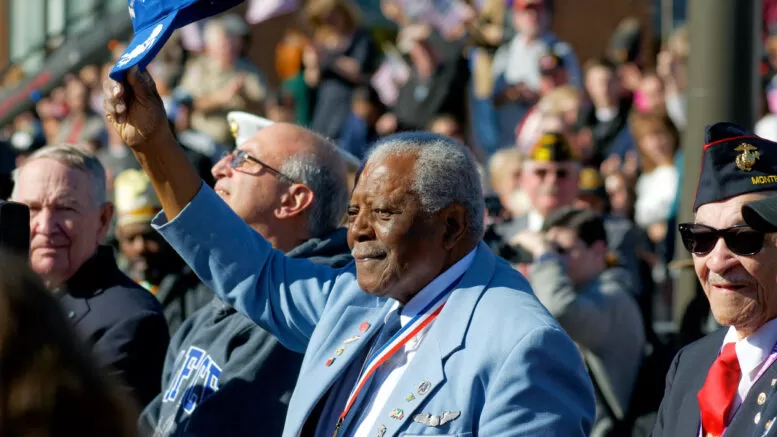
Aviation history is much richer because of the black aviators who were courageous and willing to break barriers. They challenged discrimination and boosted access for others who dream of taking flight. From Bessie Coleman and the Tuskegee Airmen to modern trailblazers, their contributions have changed aviation forever. Honoring these stories restores a part missing from history and inspires future generations. The legacy of flight belongs to everyone.
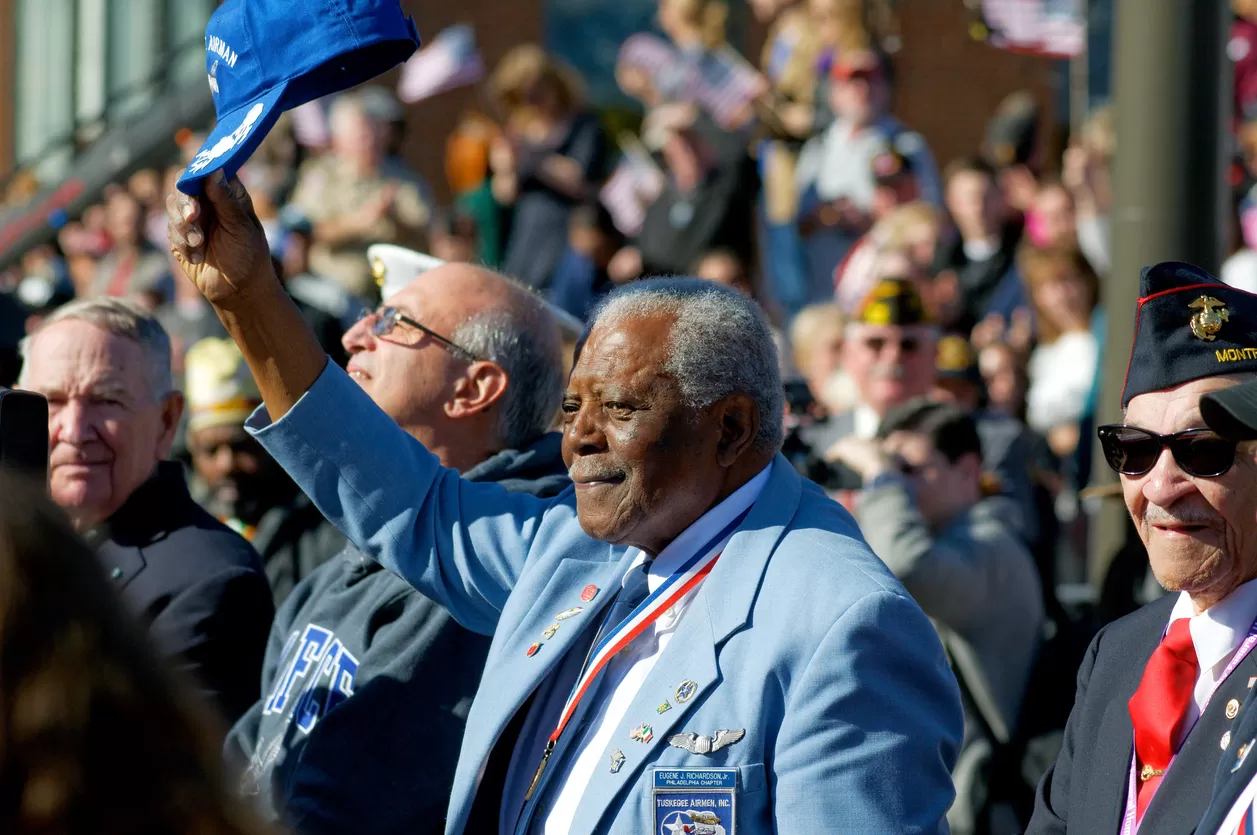
Many stories are told about aviation history, but all too often, the pilots who made the flight possible are overlooked. We tend to miss the depth of the mission, the courage, and the innovation of those who played a role in shaping aviation as we know it today.
The lack of attention removes the inspiration for future generations who deserve to see themselves flying high in the sky. So, by shining a light on black aviators who shaped history, we are able to replace that missing part. And we truly believe these stories need to be remembered and celebrated. Let’s take a look.
Why Black Aviators Matter in Aviation History
Aviation has always been about pushing boundaries of all types—physical, technological, and human. After all, not everyone dares to travel to such great heights when they see an opportunity. For black aviators, it meant overcoming more than just aviation challenges. They had to confront systemic racism, segregation, and limited access to everything from training and aircraft to opportunity.
Nonetheless, black aviators have still made lasting contributions that have changed the way the aviation industry looks today.
Bessie Coleman: The First Black Woman to Fly
In the early 1920s, there were no flight schools that were open to everyone in the United States. So, Bessie Coleman, a black woman, learned French and moved to Europe so that she could earn her pilot’s license in France.
She became the first black woman and the first Native American to hold an international pilot’s license. She returned to the U.S. as an extraordinary stunt pilot, using her platform to advocate for racial equality.
Bessie Coleman didn’t do all of this for fame. She did it to open flight schools to black pilots. And her courage paved the way for many generations of aviators to follow.
The Tuskegee Airmen of the U.S. Armed Forces
There can be no discussion of black aviators without honoring the Tuskegee Airmen of World War II. These men were black military pilots within the U.S Armed Forces. They trained at Tuskegee Army Air Field in Alabama and faced discrimination every step along the way. Still, their dedication made them one of the most successful fighter groups in the war.
These airmen flew missions over Europe with unmatched precision. And they earned a reputation for excellence when it came to protecting bomber crews—crushing the racist myth that black pilots were unfit for combat aviation.
What’s more, they went on to change history on the ground when they returned home. Their success led to the desegregation of the U.S. military in 1948.
U.S. Air Force Leader Benjamin O. Davis, Jr
General Benjamin O. Davis, Jr was a commander of the Tuskegee Airmen, becoming one of the most influential leaders in U.S. Air Force history. He led by example, flying combat missions all-the-while fighting back against discrimination in the ranks.
After World War II ended, Davis played a significant role in integrating the USAF, as he became the first black general officer. Under his leadership, he was able to ensure that future pilots would be judged by their skill and character, not by skin color. He believed that great aviation is made up of integrity, discipline, and vision, rather than just focusing on what they can do in the cockpit.
Janet Harmon Bragg and Aviation Advocacy
Although not as well known as some of her peers, Janet Harmon Bragg had an undeniable impact on the accessibility of aviation. She earned her pilot’s license in the 1930s and became very involved in aviation advocacy.
She understood that it was access, not talent, that became the greater barrier, holding people back from being able to learn to fly. Therefore, she worked hard to create flight training programs for black aviators. Bragg actually worked alongside those who laid the groundwork for what would eventually be the Tuskegee Airmen.
Her point was that aviation doesn’t always take place inside the cockpit. There are many ways to get involved in the industry, and everyone deserves the opportunity.
Why These Stories Matter Today
Over the years, aviation has expanded into commercial travel, and black pilots still face resistance. In 1964, Captain David Harris was a trailblazer who became the first commercial airliner captain for a U.S. airline. And today, you may find countless black pilots in air traffic control, as airline captains, test pilots, aerospace engineers, and aviation educators. Each one builds on those who came before.
This is why it is so important to learn about the men and women who broke barriers to get aviation to what it is today. It is not just about the aircraft; it is also about the people. Sharing these stories and keeping legacies alive creates space for future dreamers, pilots, and engineers. They, too, can realize that they belong in the sky.
Museums, airshows, and aviation education programs bring life to them.
We Are Keeping Their Legacy Alive
These stories of black aviators capture our attention because they reflect courage, determination, and the fight against all odds. They reveal untold chapters of history that don’t always make the top of the list, regardless of how much they should. The fearless opened doors for all the black aviators that came after them and will continue to do so well into the future.
We celebrate aviation as a shared human achievement. And honoring black aviators is not about rewriting it, but about completing it with all the essential parts. If you are ready to experience aviation history up close and celebrate the people who made flight possible, join us at the Wings Over Camarillo air show scheduled for August 15th and 16th, 2026. Help us to keep these stories going. Mark your calendars!
Ready to Soar with Us?