
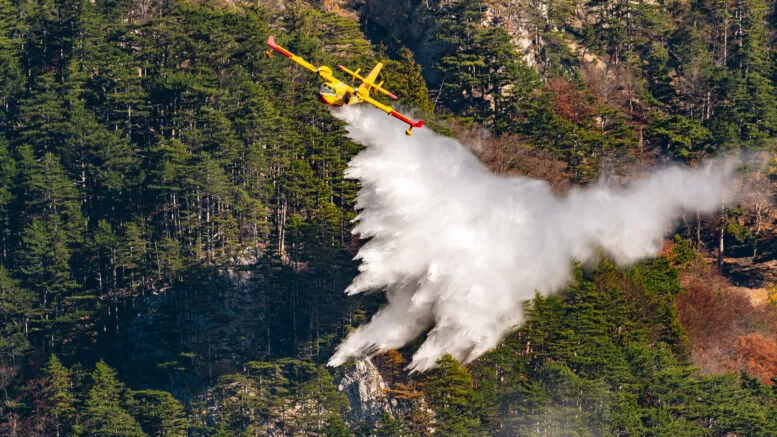
Firefighting planes play an indispensable role in safeguarding lives, homes, and natural landscapes from the devastating effects of wildfires. These specialized aircraft are engineered to perform under extreme conditions, delivering water and fire retardants to areas that are often inaccessible to ground crews. Their speed, precision, and versatility make them critical tools in the ongoing battle against wildfires, protecting communities and ecosystems alike.
In this article, readers will explore the diverse types of firefighting planes, understand their specific roles in wildfire suppression, and learn about some of the standout models that define the industry. Whether you are an aviation enthusiast or simply curious about how these aircraft contribute to protecting our communities, Wings Over Camarillo offers an inspiring glimpse into the world of aerial firefighting.
What Are Firefighting Planes?
Firefighting planes are specialized aircraft designed to combat wildfires by delivering water, fire retardants, and personnel directly to the affected areas. Unlike conventional airplanes, these planes serve a critical and highly focused purpose: suppressing fires that threaten lives, property, and natural resources. Their ability to quickly access remote and rugged terrain makes them invaluable tools in wildfire management.
There are several types of firefighting planes, each tailored to a specific function within wildfire suppression efforts. Airtankers are large aircraft that carry and drop fire retardants or water over broad areas to slow the fire’s progress. Water bombers, often amphibious, scoop water from nearby lakes or reservoirs and release it precisely over flames. Scoopers, such as the famed CL-415, excel at rapid water refills by skimming water surfaces, allowing for quick turnaround times. Additionally, smokejumper support planes transport specialized firefighters directly to remote fire zones, enabling rapid ground response in areas inaccessible by road.
Operating firefighting planes presents unique challenges that set them apart from traditional aviation roles. Pilots must fly at low altitudes and at slower speeds to accurately deploy their payloads, often in turbulent air caused by the fire’s heat and smoke. Visibility can be severely limited by thick smoke, and the terrain is frequently mountainous or rugged. These demanding conditions require exceptional skill, precision, and coordination between air and ground crews, making aerial firefighting one of the most challenging and high-stakes branches of aviation.
What Plane Is Used for Firefighting?
A variety of aircraft are employed today to fight wildfires, each selected for its specific capabilities and mission requirements. These firefighting planes range from smaller, agile scoopers to massive airtankers capable of carrying thousands of gallons of fire retardant. Their combined efforts form an aerial arsenal essential for effective wildfire suppression. Below are the main types of firefighting planes, each with its own strengths and specialized capabilities.
Airtankers
Airtankers are the heavy lifters of aerial firefighting. These large aircraft are equipped with tanks capable of carrying thousands of gallons of fire retardant or water. Their primary role is to create firebreaks, which are lines of retardant that slow or stop the spread of flames, giving ground crews the chance to contain the blaze. Airtankers are often used in the early stages of a wildfire to halt its advance or protect critical infrastructure.
Water Bombers
Water bombers are designed specifically to drop large quantities of water on active fires. They often operate in areas with ready access to lakes, rivers, or reservoirs, which allows for quick refilling between drops. Some water bombers are land-based and must return to an airport for refills, while others are amphibious and can scoop water directly from natural or man-made bodies of water.
Their ability to deliver a sudden, concentrated blast of water makes them ideal for cooling down intense hotspots and reducing the heat and intensity of flames, helping other firefighting resources move in more safely.
Scoopers
Scoopers are a specialized type of amphibious firefighting plane, designed for speed and efficiency. These planes excel in environments where water sources are close to the fire line, allowing them to make repeated drops in rapid succession.
Their unique design allows them to operate from both land and water, making them one of the most versatile tools in the firefighting fleet. In regions like California, where wildfires often occur near lakes or coastal areas, scoopers are a valuable first-response asset.
Smokejumper Support Planes
Smokejumper support planes provide rapid deployment of highly trained firefighters to areas that are too remote or dangerous for ground access. These aircraft, often smaller turboprops or modified cargo planes, carry crews known as smokejumpers, who are firefighters who parachute directly into fire zones. Once on the ground, smokejumpers establish containment lines, protect structures, and work to prevent the fire from spreading until larger forces arrive.
The support planes also carry critical supplies, tools, and communication equipment to sustain operations in isolated locations. This ability to place firefighting teams quickly and precisely can be the difference between a small blaze and an uncontrollable wildfire.
The Courageous Crews Behind the Controls
Behind every successful aerial firefighting mission is a team of highly trained and dedicated professionals. Operating firefighting planes presents unique challenges that set them apart from traditional aviation roles and stunt pilots.
Pilots who operate firefighting planes undergo rigorous training to prepare for the unique demands of their role. Pilots must fly at low altitudes and at slower speeds to accurately deploy their payloads, often in turbulent air caused by the fire’s heat and smoke. Visibility can be severely limited by thick smoke, and the terrain is frequently mountainous or rugged. These demanding conditions require exceptional skill, precision, and coordination between air and ground crews, making aerial firefighting one of the most challenging and high-stakes branches of aviation.
Pilots, copilots, mechanics, and ground support crews work together in a high-stakes environment where precision and split-second decisions can mean the difference between containing a fire and watching it spread uncontrollably. Their work demands not only technical expertise but also remarkable courage in the face of extreme danger.
Visit Wings Over Camarillo As We Honor Our Wildfire Heroes
This year, Wings Over Camarillo is proud to recognize our wildfire community responders. Both the brave men and women who risked their lives battling the fires that threatened California communities, and those who supported survivors in the aftermath of the wildfires. Join us on August 16th and 17th to honor these heroes, experience live air performances, check out our classic car show, and visit our STEM pavilion. Get your tickets now.
Conclusion
Firefighting planes are essential assets in the battle against wildfires, combining advanced engineering with the skill and bravery of the crews who operate them. From agile scoopers to massive airtankers, each aircraft plays a specialized role in delivering water, fire retardants, and personnel to where they are needed most.
Pilots and ground teams face challenging conditions, making split-second decisions in low visibility and high-risk environments to protect lives, property, and the environment. Their dedication and expertise are the foundation of every successful aerial firefighting mission.
Ready to Soar with Us?