
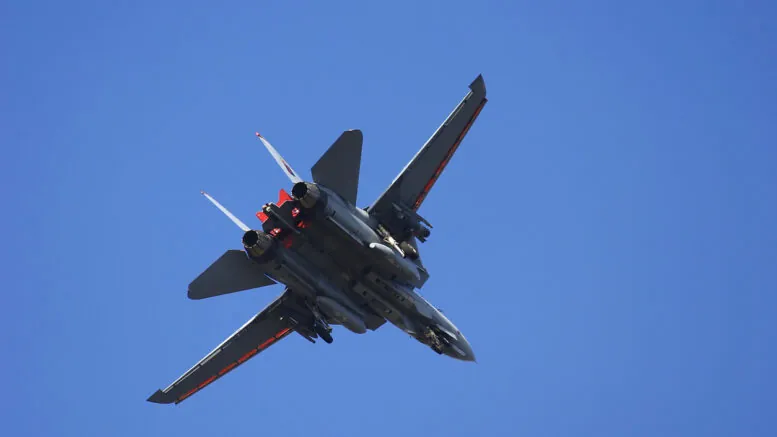
Few military aircraft capture the public imagination like the Grumman F-14 Tomcat. Designed to secure air superiority and protect American aircraft carriers from high-speed aerial threats, this iconic twin-engine fighter jet defined an era of naval power projection. From the late Cold War through the early twenty-first century, it served as the flagship defender of naval aviation fleet defense.
Understanding this extraordinary machine requires taking a closer look at its engineering, combat evolution, and lasting cultural legacy. Aviation history lives on through dedicated preservation efforts and air show demonstrations where legendary warbirds inspire fans of all ages.
The Birth of a Naval Aviation Icon
The roots of the F-14 tomcat trace back to the late 1960s. During this period, the United States Department of Defense attempted to field a common fighter aircraft for both the Air Force and the Navy under the TFX program. The resulting concept, the F-111B, proved far too heavy and ill-suited for the demanding environment of carrier launch and recovery.
Recognizing the urgent need for a dedicated interceptor, naval leadership pressed for a new design tailored specifically to fleet air defense. Grumman Aerospace won the contract in 1969, proposing an advanced design that prioritized long-range tracking, massive firepower, and unmatched maneuverability.
The initial prototype made its maiden flight in December 1970, and the aircraft officially entered fleet service in 1974. Replacing the aging F-4 Phantom II, this powerful jet became the primary carrier-based air defense platform for decades to come.
Revolutionary Engineering: Variable-Geometry Wings and Powerplants
What made the aircraft so instantly recognizable was its innovative variable-geometry wing design. Commonly referred to as swing wings, these structures automatically shifted position during flight to optimize aerodynamic performance.
During low-speed operations, such as takeoff, landing, and tight air-to-air dogfighting, the wings extended outward to a 20-degree sweep. This position generated maximum lift and provided exceptional low-speed control. For high-speed intercepts, the wings swept backward to a steep 68-degree angle, minimizing drag and allowing the fighter to slice through the air at supersonic speeds. Here are some basic Grumman F-14 Tomcat statistics:
-
Maximum Speed: Mach 2.34 (1,544 mph)
-
Service Ceiling: Over 50,000 feet
-
Wingspan Extended: 64 feet 1.5 inches
-
Wingspan Swept: 38 feet 2.5 inches
Early models relied on Pratt & Whitney TF30 engines, which provided incredible speed but suffered from compressor stalls during high angle-of-attack maneuvers. Later upgrades to the F-14B and F-14D configurations introduced General Electric F110-GE-400 engines. This massive engine overhaul eliminated the stall issues and allowed the navy F-14 tomcat to launch off carrier decks without using afterburners, drastically improving overall safety and operational range.
Unmatched Firepower: Radar and Missile Systems
The true combat effectiveness of the F-14 tomcat fighter jet rested in its long-range sensor package and heavy weapons arsenal. The heart of its tactical advantage was the AN/AWG-9 radar system, paired with a dedicated Radar Intercept Officer sitting in the rear seat.
Unlike single-seat fighters where the pilot handles both flying and complex radar tracking, the two-person crew division allowed for maximum combat efficiency. The radar system was groundbreaking for its time, capable of tracking up to 24 targets simultaneously and launching attacks against six separate targets at once.
To complement this powerful tracking system, the aircraft carried the massive AIM-54 Phoenix missile. Weighing over 1,000 pounds each, these radar-guided, long-range air-to-air missiles could engage enemy bombers and cruise missiles at distances exceeding 100 nautical miles.
According to military weapons records, the Navy produced a total of 712 F-14 airframes across all variants over its operational lifespan, creating a powerful shield around American carrier strike groups during high-tension global operations.
Along with long-range Phoenix missiles, the platform carried medium-range AIM-7 Sparrows, short-range AIM-9 Sidewinders, and an internal 20mm M61A1 Vulcan cannon for close-quarters aerial combat.
Combat History and Evolution Over the Decades
The combat record of the F 14 tomcat spans multiple decades and conflicts. It recorded its first air-to-air victories in August 1981, when two fighters from Fighter Squadron 41 (VF-41) engaged and destroyed two Libyan Su-22 aircraft over the Gulf of Sidra. Additional combat engagements followed in 1989 against Libyan MiG-23 fighters, proving the airframe’s absolute air-dominance capability.
During Operation Desert Storm in 1991, the aircraft provided critical escort and combat air patrol coverage for coalition strike forces. As the Soviet threat diminished in the post-Cold War era, naval leadership adapted the platform to fulfill new mission roles.
Through the addition of the LANTIRN (Low Altitude Navigation and Targeting Infrared for Night) pod, the jet transformed from a dedicated fleet interceptor into a precision ground-attack aircraft. Naval aviators affectionately dubbed this upgraded multi-role platform the “Bombcat.”
In the years following 2001, these aircraft flew extensive ground-support missions during Operation Enduring Freedom and Operation Iraqi Freedom, delivering precision-guided munitions with high accuracy. The official retirement of the platform from United States Navy service occurred in September 2006, marking the end of an incredible 32-year operational career on aircraft carrier flight decks.
Experience Aviation History in Motion
While active naval fighters have transitioned to modern platforms like the F/A-18 Super Hornet and F-35C Lightning II, the spirit of legendary warbirds remains alive for aviation enthusiasts. The best way to appreciate the engineering, sound, and historical impact of historic military aviation is to witness these machines up close.
At Wings Over Camarillo, aviation lovers of all generations gather every summer to celebrate legendary flight history. Attending a live event allows visitors to explore dynamic air show performers soaring through the sky, demonstrating the sheer power and agility of historical military aviation.
In addition to thrilling aerial demonstrations, ground guests can walk right up to iconic airframes in the static aircraft display area. Getting up close to preserved warbirds offers an incredible look at the metal, rivets, and cockpit layouts that defined past military eras.
Take Flight and Connect with Aviation Heritage
Looking to turn inspiration into an unforgettable adventure? Visitors can elevate their event day by booking real airplane and helicopter rides on site. Taking to the skies offers a firsthand perspective on the joy and freedom of flight that inspired generations of naval aviators.
Whether you are a lifelong warbird enthusiast, a history buff, or a family looking for an exciting weekend out, live air shows bridge the gap between military history and hands-on experience.
Plan your next visit to see living history, meet pilot veterans, and inspire the next generation of aerospace pioneers. Explore the full event schedule, review guest details, and book your general admission access directly at Wings Over Camarillo today!
Ready to Soar with Us?